

Inconsistent pricing
Judgement-based markdowns produced different prices between associates and between stores.
Sell more. Waste less.
We engineer Waste, a real-time markdown pricing platform that gives store associates the best reduced price for a perishable item from a single barcode scan, so retailers sell more and waste less.

What stood in the way.
Retailers were losing margin on perishables by discounting too much, too early, or too little, too late. Markdowns were decided by judgment on the shop floor, with many factors to weigh for every item and no time to weigh them.
Judgement-based markdowns produced different prices between associates and between stores.
Discounts that were too deep or too early gave away margin on stock that would have sold. Discounts that were too shallow or too late left unsold stock to be thrown away.
Expiry, time, store and volume all matter for each item, and batch reports arrive too late to help an associate holding the product.
Each retailer has its own pricing rules and data formats, so custom builds per retailer were slow and costly.
How we answered it.
We built the platform in three parts: an offline side that prepares answers, an online side that serves them instantly, and a control plane for changing pricing rules. Every pricing factor combination is calculated overnight
The parts that made the difference.
An overnight T-SQL process calculates every pricing factor combination into one lookup table, so live pricing never waits on heavy maths.
An ASP.NET Core REST API reads the barcode, validates the item and store, applies the retailer's rules and returns the price with a rule trace, with optional Redis caching.
Per-retailer JSON workflows on Microsoft RulesEngine support set, adjust, rounding and limit actions. A deploy service pushes saved rules to each retailer automatically.
A .NET MAUI app with SSO, camera scanning, price display, authorized overrides, date-check reminders, push notifications and electronic shelf label integration.
What changed for the client.
Retailers get a consistent, rule-based markdown for every scanned item, and pricing teams can adjust strategy in hours rather than sprints. Published results show waste falling and sales recovering, with pilots going live in weeks.
What it was built with.
Part of our data engineering work.
Related projects.
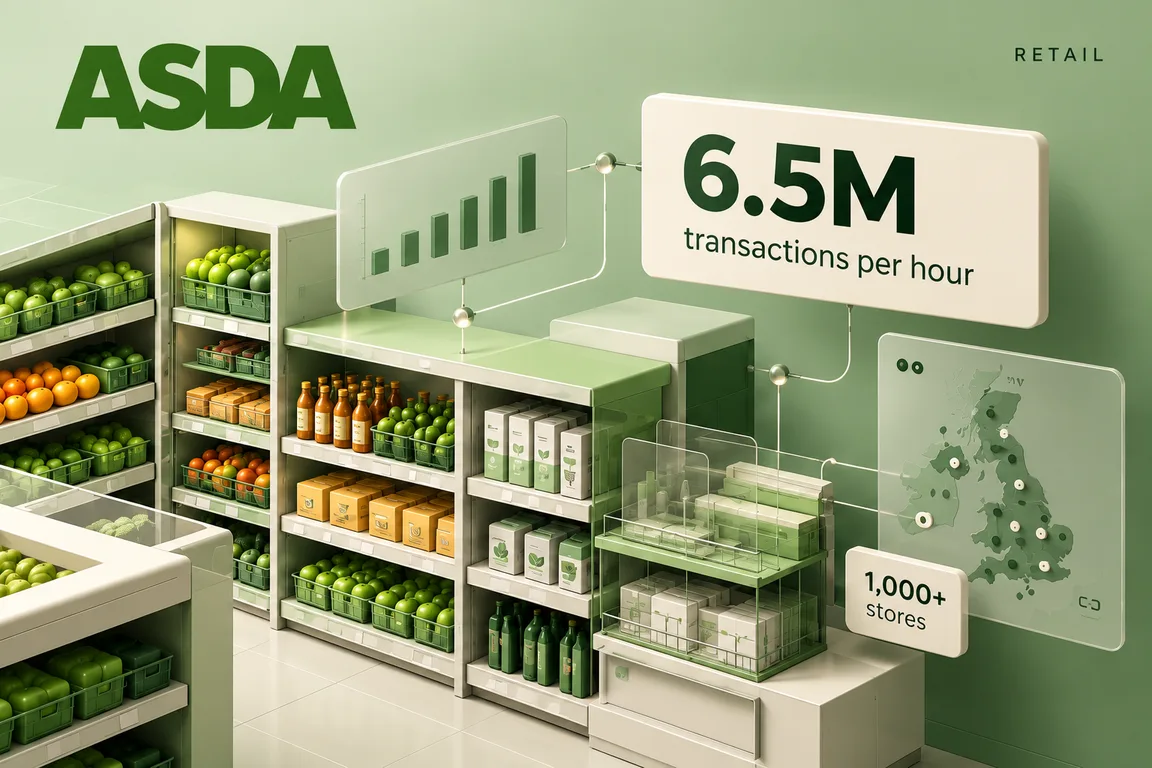
Real-time retail, at scale.
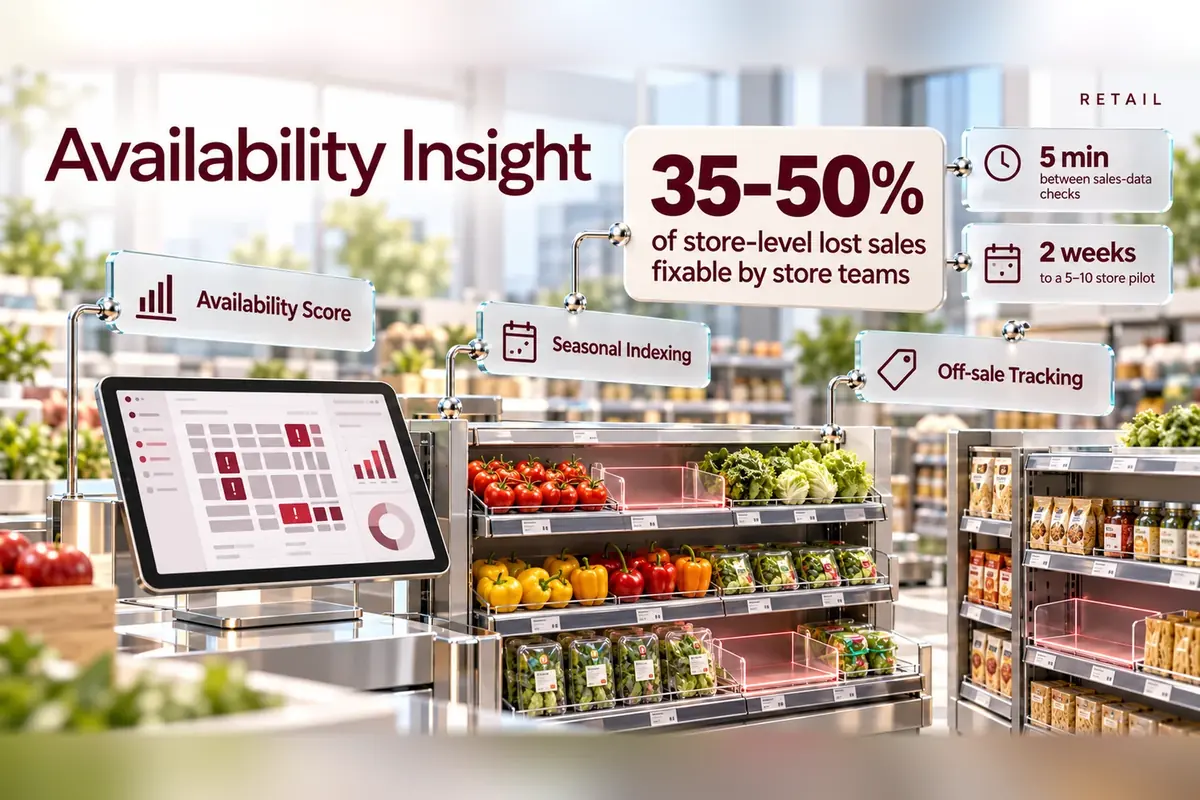
Finding empty shelves sooner.
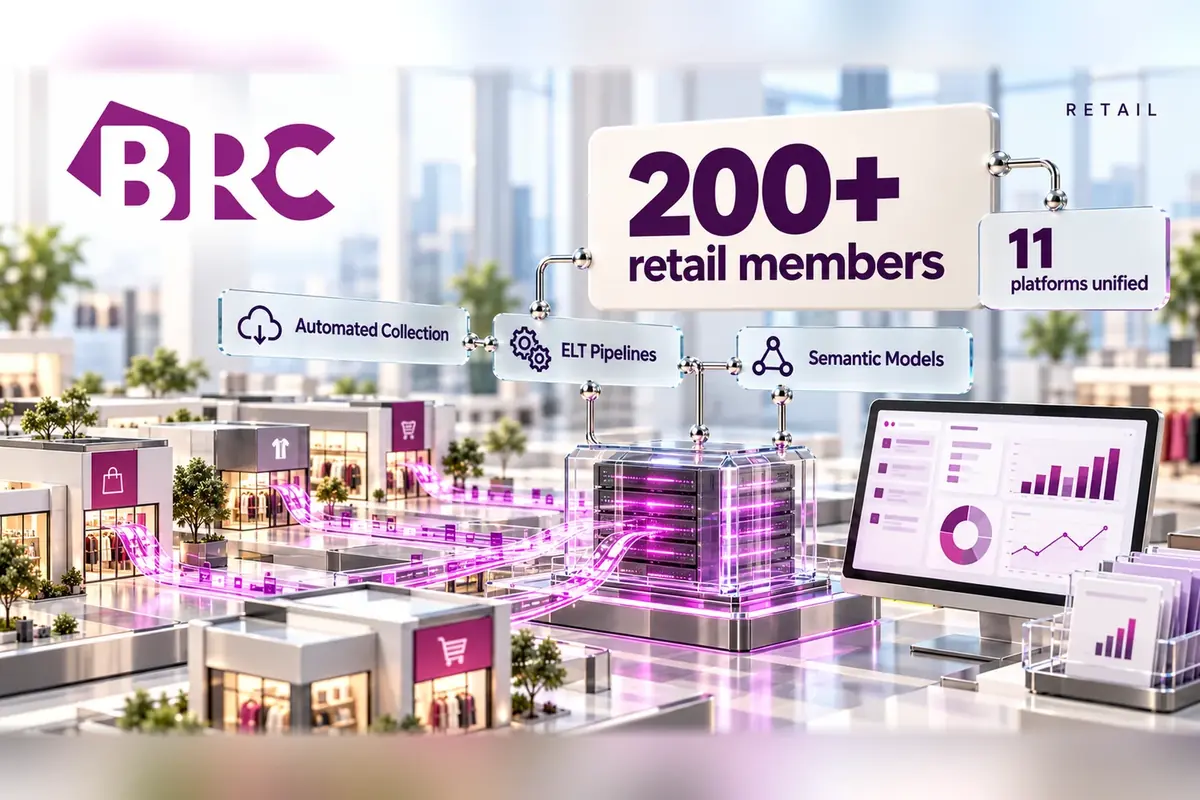
Retail intelligence, brought together.
The next big thing starts with a conversation.
An idea, a challenge, a “what if”. Tell us what you have in mind, and we’ll figure out the next step together.
What happens next
Find us on